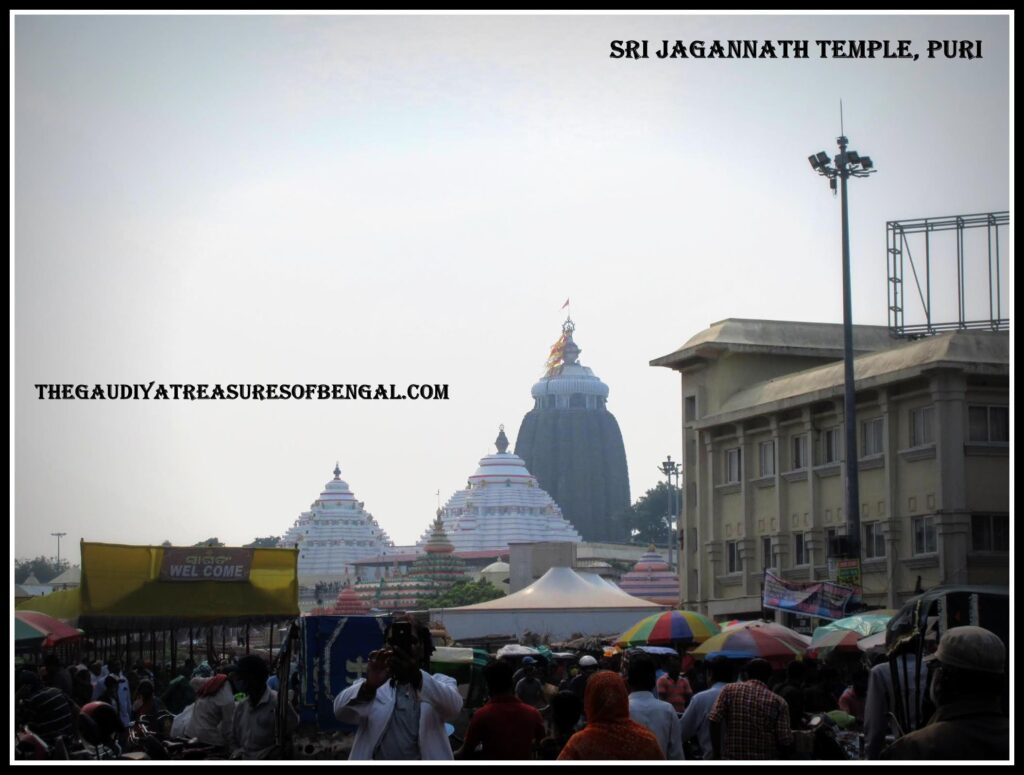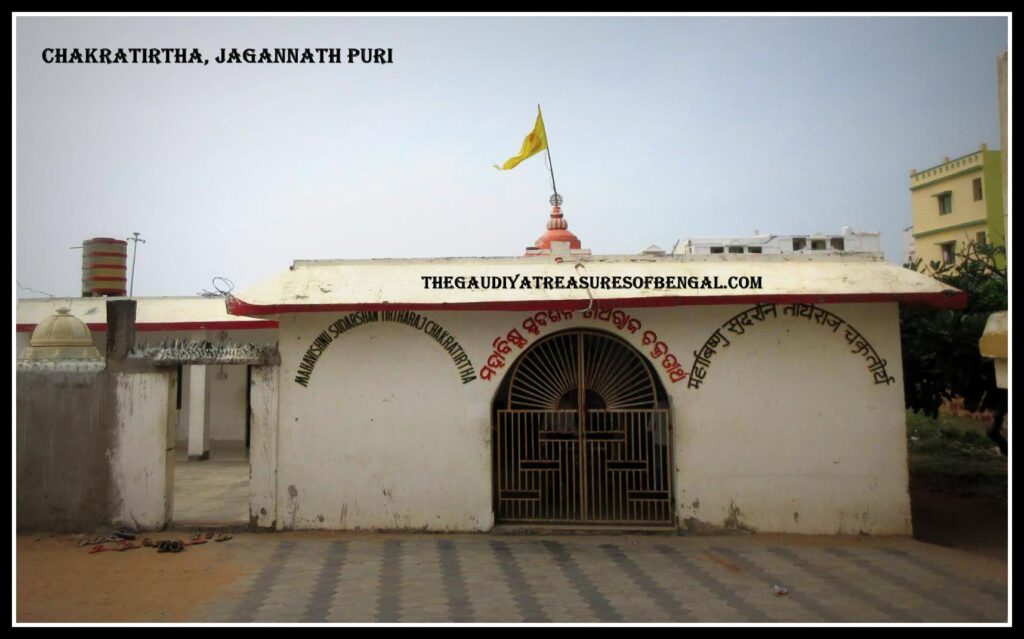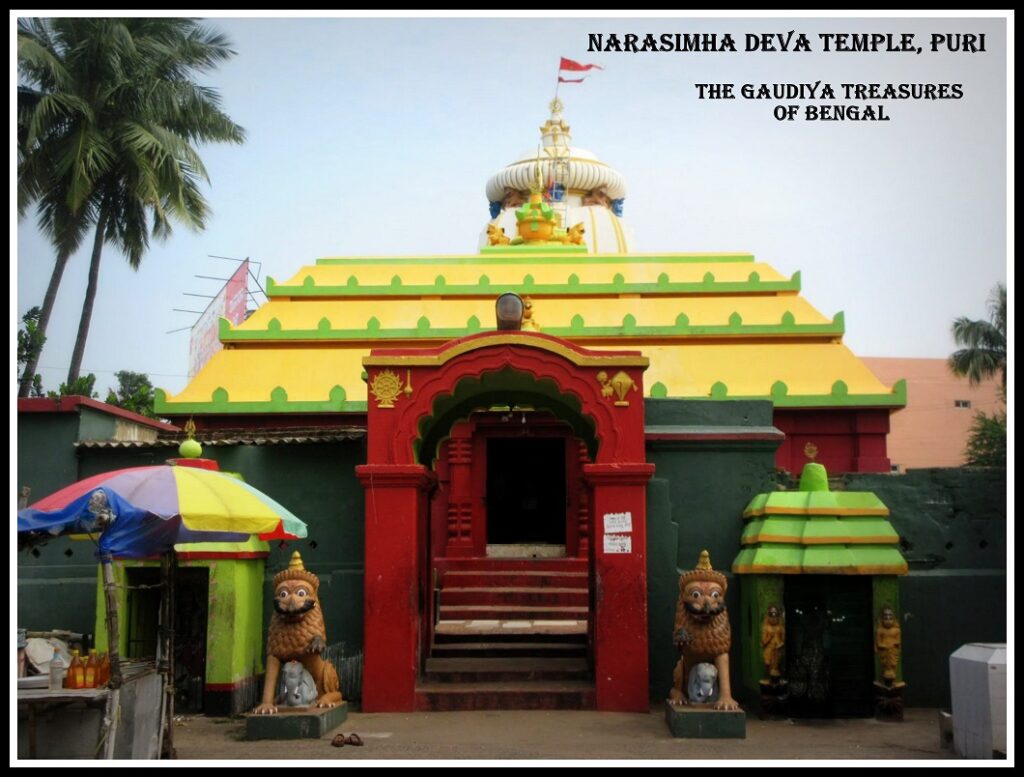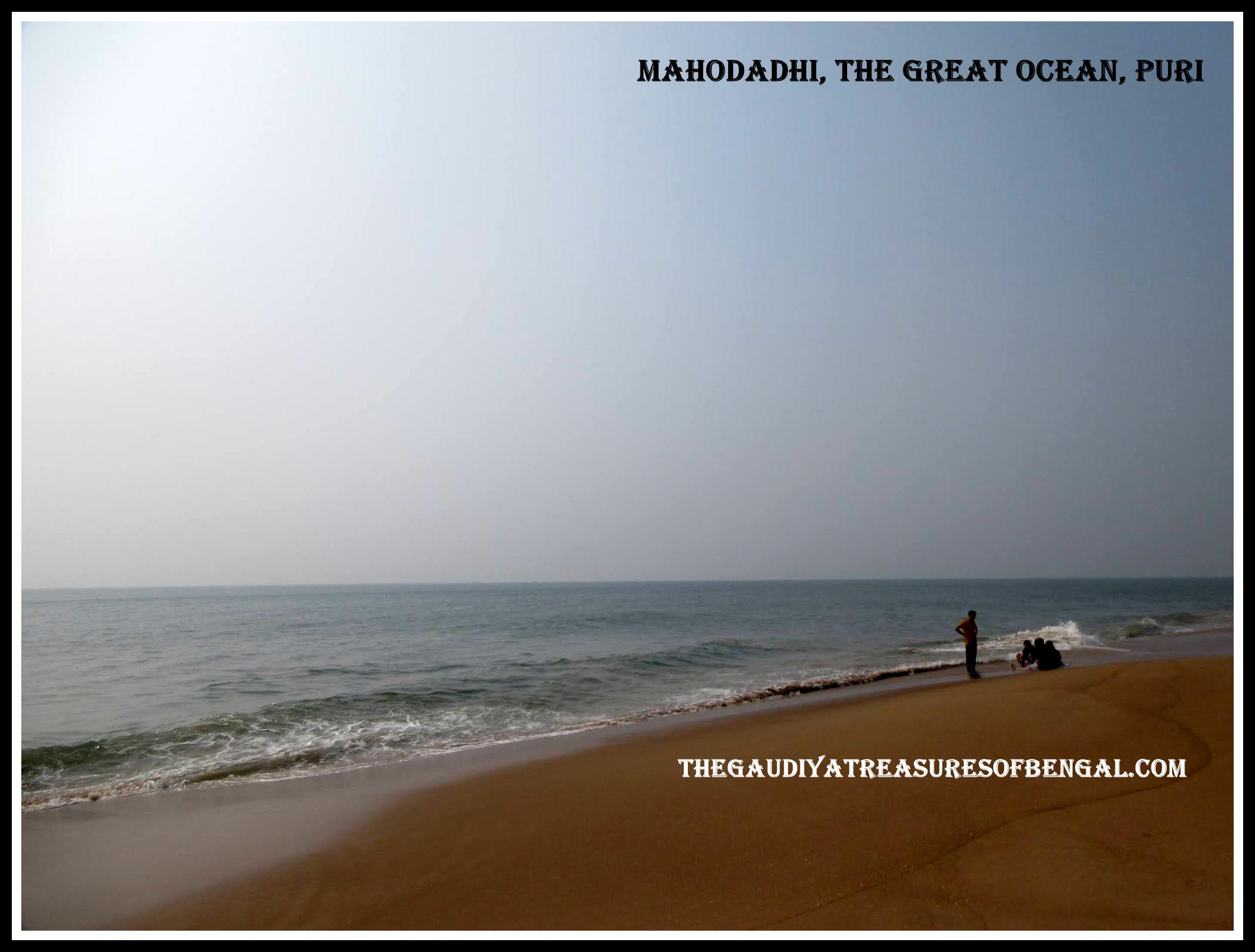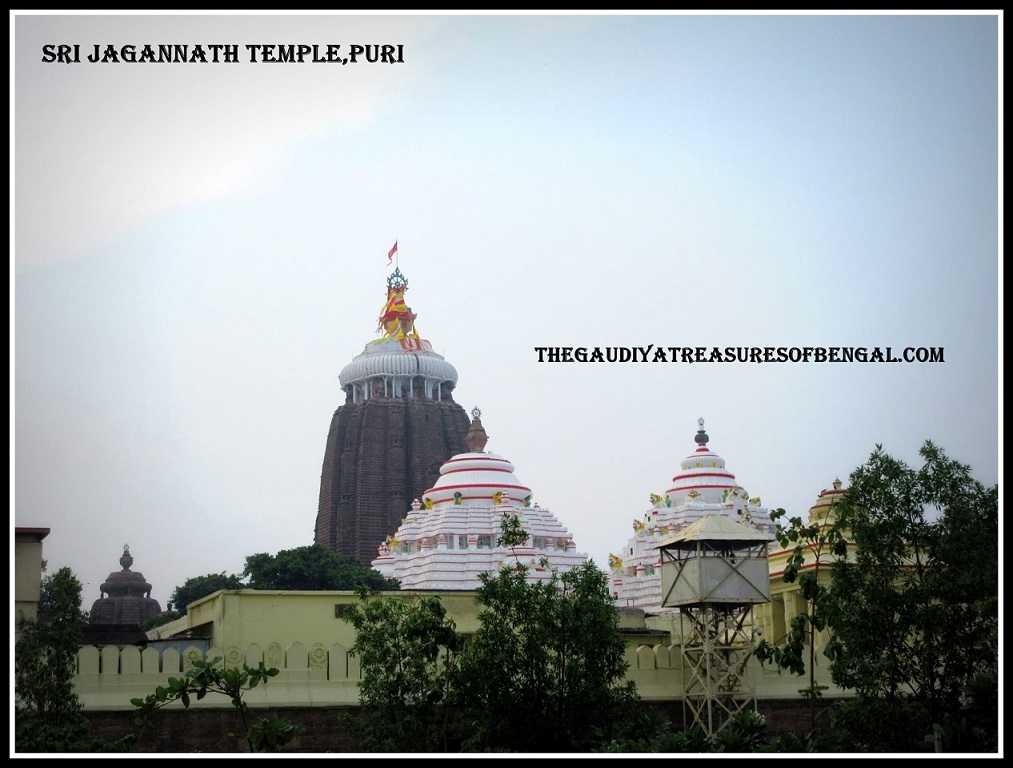
The holy site of Jagannath Puri is known by several names such as Sri Kshetra, Purushottama Kshetra, Nilachala Dham, Jagannath Dham, Samanik Tirtha, Uddiyan Pith, Marta-Vaikuntha, Nilgiri, Niladri, Sankha Kshetra, Bhu-svarga, and Nrsimha Kshetra. Regarded as one of India’s (Bharat) foremost spiritual destinations, it is believed that the Supreme Lord Sri Vishnu takes a bath at Badrinath in North India, changes His attire in Dwarka in West India, enjoys His meals in Jagannath Puri in East India, and retires to Rameshwaram in South India. In Jagannath Puri, the Supreme Lord is worshiped in the form of His deity. A sighting of the Lord is said to grant one liberation from the material world, and visiting Jagannath Puri is believed to have the same spiritual merit as visiting all other holy sites. The term “Jagannath” translates to “Lord of the Universe,” and the temple was established by King Indradyumna on the Nilachal hill. The current temple was constructed in the 12th century on the site of its predecessor by King Anantavarman Chodaganga Deva, the progenitor of the Eastern Ganga dynasty.